
We Don’t Protect Ideas. We Apply Pressure.
Most organisations talk about innovation like it’s a badge you earn once and pin to your chest forever. We’ve learned the harder, more honest truth. Innovation doesn’t survive on intention. It survives on challenge. That belief shaped how we build…

Most organisations talk about innovation like it's a badge you earn once and pin to your chest forever. We've learned the harder, more honest truth. Innovation doesn't survive on intention. It survives on challenge. That belief shaped how we build our board and why we built it to push back, not clap along.
Most companies talk about innovation as if it's a personality trait. Something you declare in a strategy deck. Something you sprinkle through keynote slides and hope will somehow survive scale, pressure, and messy reality of real organisations. Innovation, in that framing, is a promise. Aspirational. Fragile. Conveniently untested.
We've learned the hard way that innovation doesn't survive on intention alone. It survives on challenge. On resistance. On people who are willing to ask the awkward question, not just admire the neat answer. That lesson is baked into how we build experiences, how we work with clients, and, very deliberately, how we built our board.
Not to impress anyone. Not to tick a governance box. And certainly not to surround ourselves with people who would nod politely and tell us everything was going brilliantly. We built this board to apply pressure.
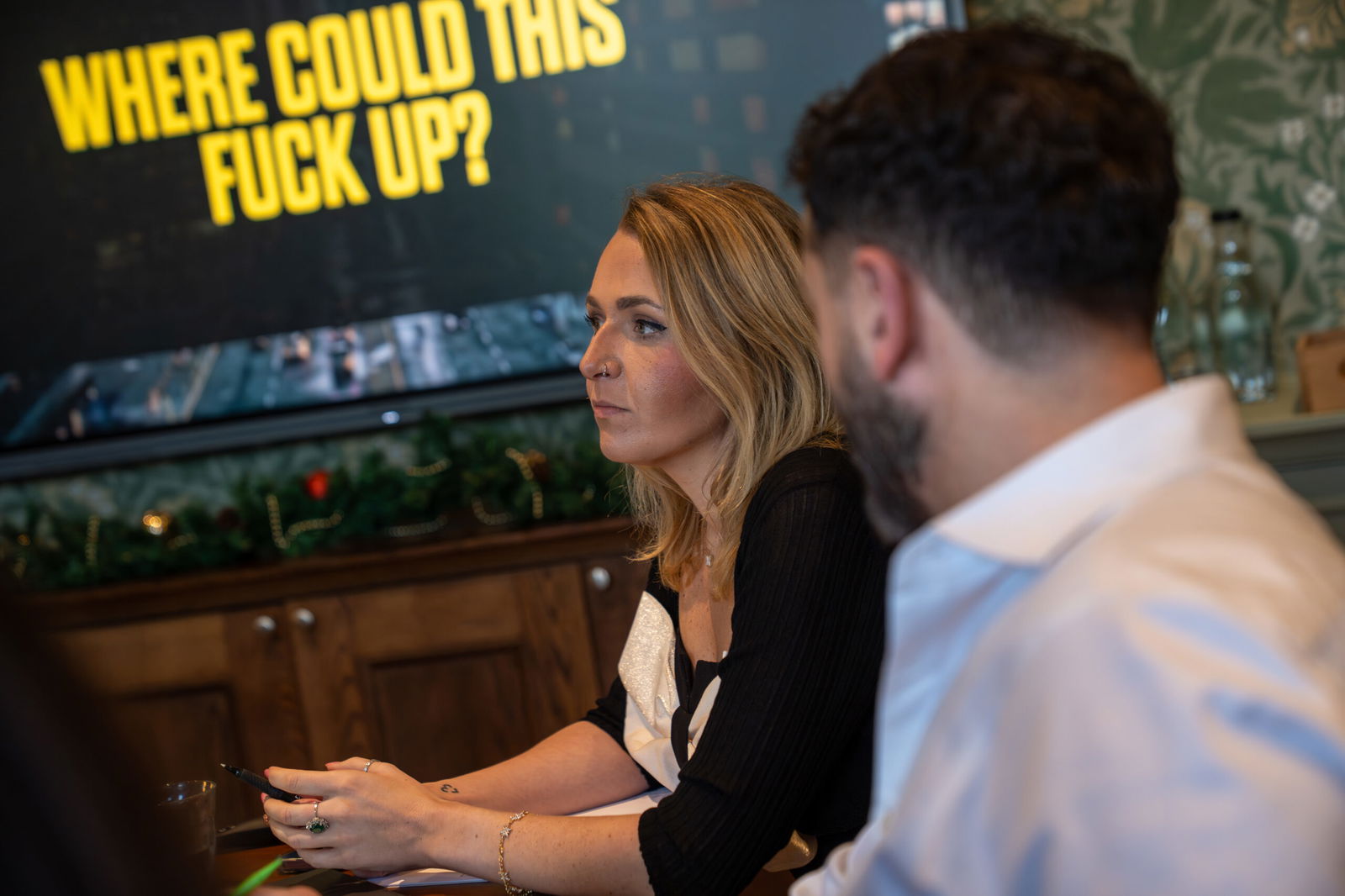
At The Cyber Escape Room Co., we don't protect ideas. We test them. A good idea doesn't need defending. It needs stress-testing. Because if an idea only works when everyone agrees with it, it isn't strong enough to survive the real world. Cyber risk doesn't arrive neatly packaged. People don't behave predictably. Organisations don't operate in perfect conditions. So our thinking shouldn't either.
That’s why our board brings together people whose experience spans NATO to National Highways, military leadership to billion-pound digital transformation, government security operations to live global events, operational technology to escape room design. These aren’t adjacent perspectives carefully curated to look good on a website. They are intentionally different ones, chosen precisely because they don’t see the world the same way.
Difference isn’t diversity theatre. It’s a design choice.
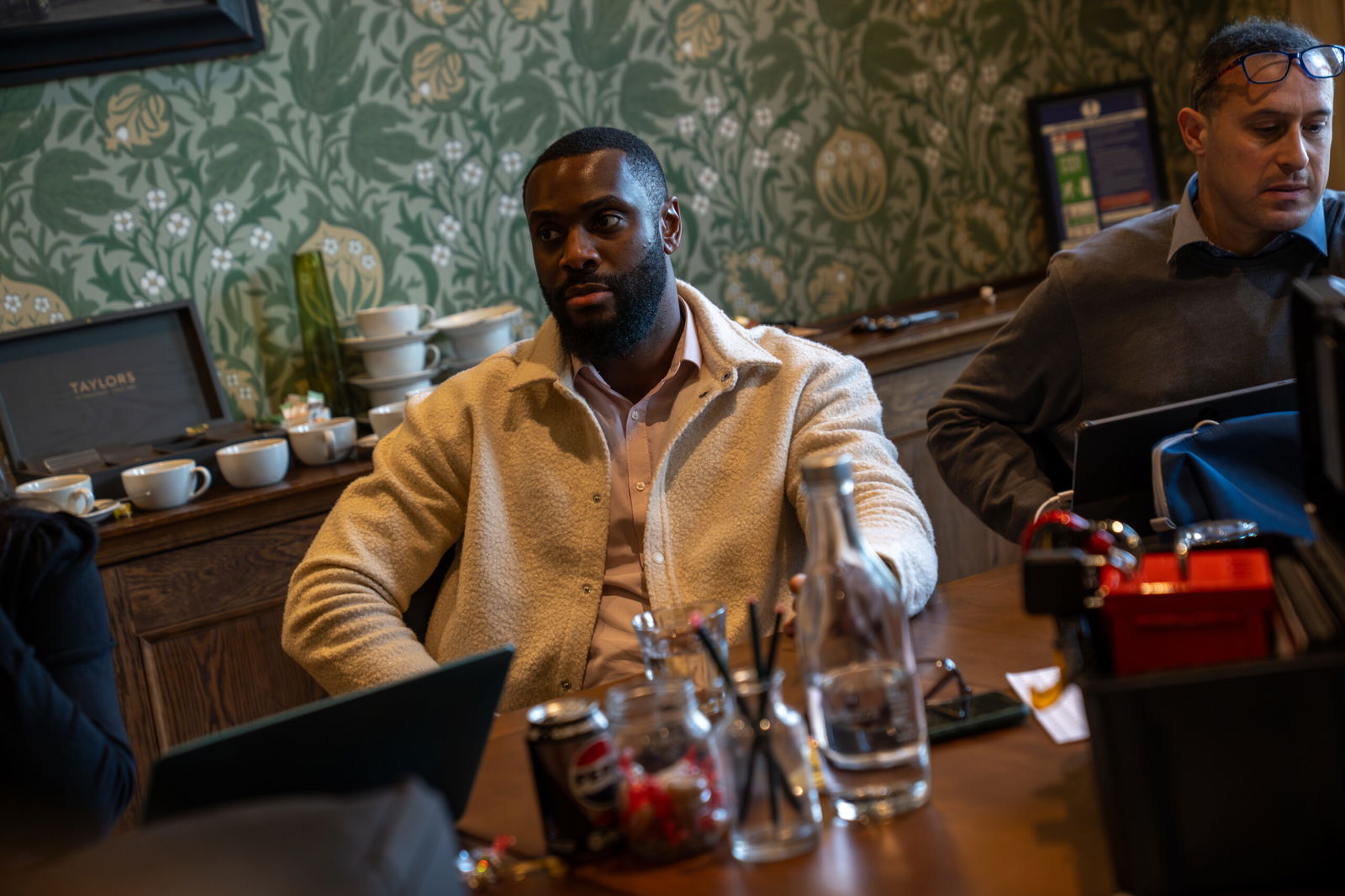
Each person around that table views risk, pressure, failure, and success through a different lens. Some instinctively ask what breaks first. Others ask what happens when this scales. Some focus on human behaviour under stress. Others look at systems, governance, delivery, or consequence. That friction isn’t accidental. It’s the mechanism.
When an idea survives that room, when it still makes sense after being questioned, challenged, dismantled, and rebuilt, we know it’s worth taking further. If it doesn’t, we’re grateful to find that out early, when the cost of being wrong is still low.
If this approach feels familiar, it should. We design our products the same way we design our governance. Cyber escape rooms. Incident simulations. Vishing scenarios. Workshops. Platforms. None of them rely on passive agreement or polite consensus. They rely on pressure, ambiguity, multiple perspectives, and the freedom to challenge assumptions safely. The board is simply that philosophy applied inward.
We’re growing, and that’s intentional. But growth without scrutiny isn’t progress. It’s drift. It’s how organisations slowly slide away from their purpose, away from reality, and away from the problems they originally set out to solve. This board exists to stop that happening. To keep us honest. To keep us uncomfortable enough to stay sharp. To make sure momentum always comes with direction.
For us, good governance isn’t about distance, formality, or hierarchy. It’s about proximity to the real questions. Are we solving the right problems. Are we building things that hold up under pressure. Are we growing in a way that still respects how humans actually behave. If the answer isn’t clear, we go again.
That’s why we built our board this way. And it’s why we wouldn’t have it any other way.
Stop Training. Start Rehearsing.
See what changing behaviour actually looks like when the stakes feel real.
Book a Session →