
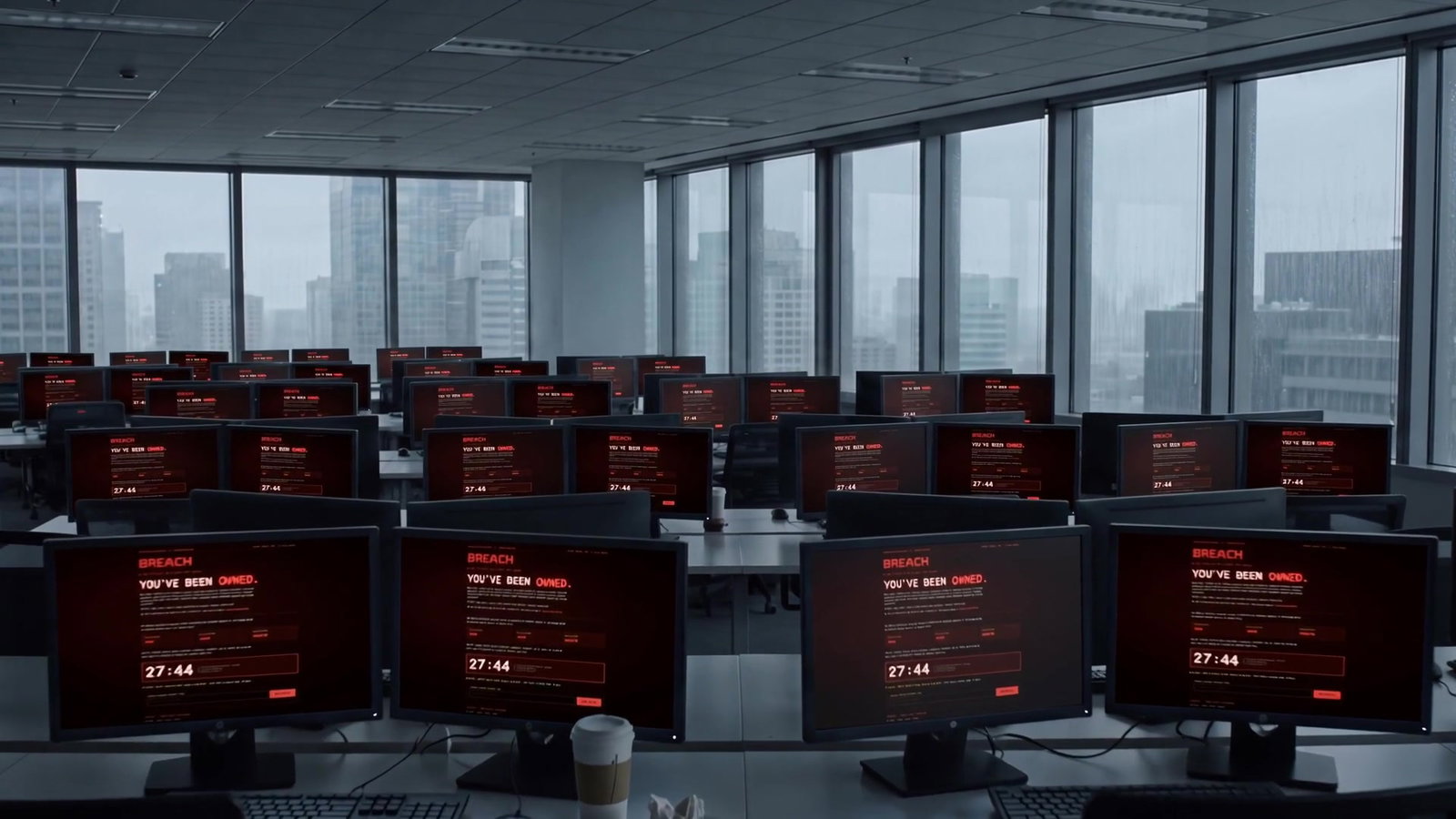
The Breach
The hackers are playing games. Literally.
A ransomware attack has locked down your systems, and they've left you the clues. Five suspects. Five compromise paths. Thirty minutes to crack the case and earn the decryption key.
The hackers are playing games
Overnight, High Tech Inc. was hit with ransomware. A group calling themselves The Breach Collective have locked down the systems, and they claim they only needed a single set of stolen credentials to get in.
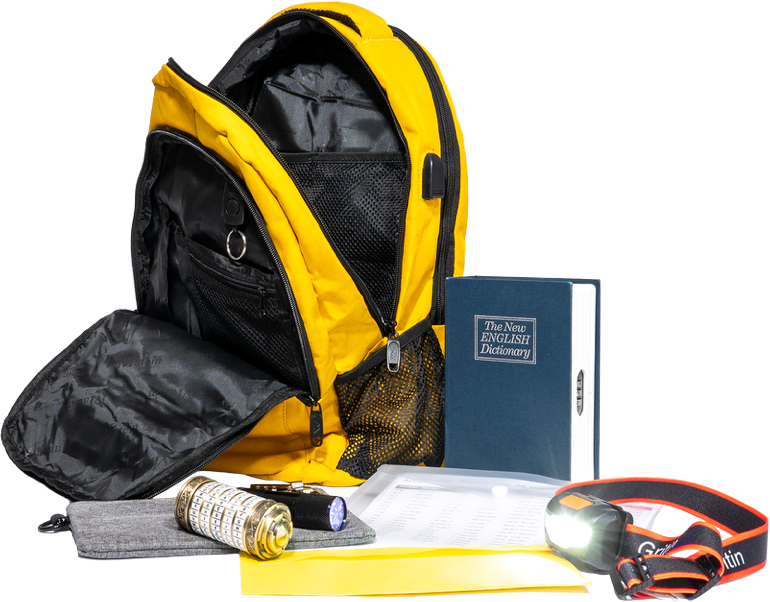
They've given you five suspects, five possible methods of compromise and five locations. They've also delivered a backpack containing everything your team needs to crack the case.
You have 30 minutes before they permanently encrypt the company's data. Analyse IT logs, phone records, internal emails, social media profiles and some truly questionable password practices. Crack the case, call the hackers and earn the decryption key. Get it wrong? Game over.
Inside the room
The briefing
Your team is handed the backpack: suspect cards, access logs, social media profiles, internal emails, physical props and part of a recording of a suspicious phone call. Nothing is labelled. Nothing is obvious.
Pressure begins immediatelyThe investigation
Cross-reference logs with emails. Match social media oversharing to the attack timeline. Decode the vishing call. Challenge the red herrings. Work out who made the mistake, and how the attacker used it.
Collaboration under pressureThe call
When you're ready to name your suspect and their compromise method, you call the hackers live. Viper from The Breach Collective answers. She'll tell you if you're right, and if not, you go back in.
Live interactive elementThe debrief
Your facilitator connects every decision your team made back to real-world behaviour. Where did you rush? What did you overlook? What does it say about how you'd respond to a genuine incident?
Behaviour change reinforcedWhat your team takes away
Social engineering and vishing
Players get a live vishing call mid-investigation, after following the breadcrumbs that led to it. They don't just learn what vishing is. They feel how it works, and that recognition carries back into their working day.
ISO 27001 A.6.3 · NIST CSF PR.AT · NIS2 Art. 21
Social media privacy and OSINT
Suspects have real-looking social profiles. Players discover, sometimes uncomfortably, how much an attacker can learn from an Instagram profile. It's their own digital footprint staring back at them.
NCSC CAF B6 · DORA Art. 13
Role-based attack profiles
The scenario shows how attackers target roles differently: what they want from finance, from an IT administrator, from an executive assistant. Players start to see themselves as a target profile, and that changes how they decide.
ISO 27001 A.5.2 · NIST CSF GV.RR
Shared security responsibility
The breach didn't happen because IT failed. It happened because one ordinary person made one ordinary decision under pressure. The Breach makes that clear without blame: security isn't someone else's job.
ISO 27001 7.3 · NCSC CAF B6 · NIS2 Art. 20
Your briefing from The Breach Collective
This is the video your team watches before the clock starts. High Tech Inc. has been locked out, and Viper wants you to know exactly how little it took.
Watch it to the end. Then imagine the bag landing on your table.
Built for your people
Non-technical staff
Finance, HR, operations and customer-facing roles: the people most likely to be targeted with social engineering. No technical knowledge required.
Leadership and exec teams
Senior leaders are high-value targets. Most know the stats. The Breach makes them feel how fast one bad decision snowballs.
Mixed cross-functional teams
A breach crosses department lines. Running it with IT alongside finance alongside ops builds the shared language that makes incident response work.
Conference and away-day groups
Tight, self-contained and done in 30 minutes. Perfect for back-to-back groups at big events.
The Breach has no technical prerequisites. Players don't need to know what ransomware is before they walk in; they'll understand it by the time they walk out. For a highly technical security team who want a deeper challenge, The Break In may be a better fit.
The numbers that matter
Choose your delivery format
Facilitated sessions
We turn up, set up and run everything. Our hosts bring the energy, manage the pressure and deliver a structured debrief that connects the game to your team's real behaviours.
- Professional facilitator included
- Structured debrief
- Best for away days, conferences and leadership sessions
Kit hire
We ship you a ready-to-run kit. Your internal champions run the session, with the same puzzles and the same impact, on your own schedule.
- Complete kit with all props and locks
- Host guide for internal delivery
- Best for multi-site or shift-based teams
Long-term rental
For organisations building security culture all year. Keep the kit, run it as often as you like, and swap scenarios through the year to keep it fresh.
- Enterprise-quality kit
- Scenario swaps through the year
- Training for internal hosts
Many expected it to be technical, but the experience was hands-on, accessible and genuinely fun. The puzzles and props brought the learning to life in a way that traditional training just doesn't.
Andy Bagnall, CISO · The Telegraph
Things people usually ask
Does anyone need technical knowledge to play?
None at all. The Breach is designed for a general workforce, the people attackers actually target. Nobody needs to know what ransomware is before they start. By the end of the debrief, they'll understand it in a way that sticks.
Can we run it for more than 5 people?
Yes. Several kits can run at once, and back-to-back rotations mean 50+ people can play in a day. We'll help you plan the logistics around your group size and timing.
How much space do we need?
A standard meeting room table. The kit is fully portable: we've run it in boardrooms, hotel conference rooms, break-out spaces and even a pub.
Does it count towards ISO 27001 or other frameworks?
Yes. Experiential security training supports ISO 27001 (clauses 7.2 and 7.3, control A.6.3), NIST CSF 2.0 (PR.AT), NIS2 (Articles 20 and 21) and DORA (Article 13). We can provide documentation for your audit trail.
What happens in the debrief?
Your facilitator walks through what the team spotted, missed, rushed and hesitated over, and connects it to the behaviours you want to reinforce. It's a conversation that uses the team's own experience as the material, not a lecture.
Can you adapt it for our organisation?
Yes. We can adapt elements to your industry, roles, relevant attack types or internal terminology. Get in touch to talk it through.
Explore the full range
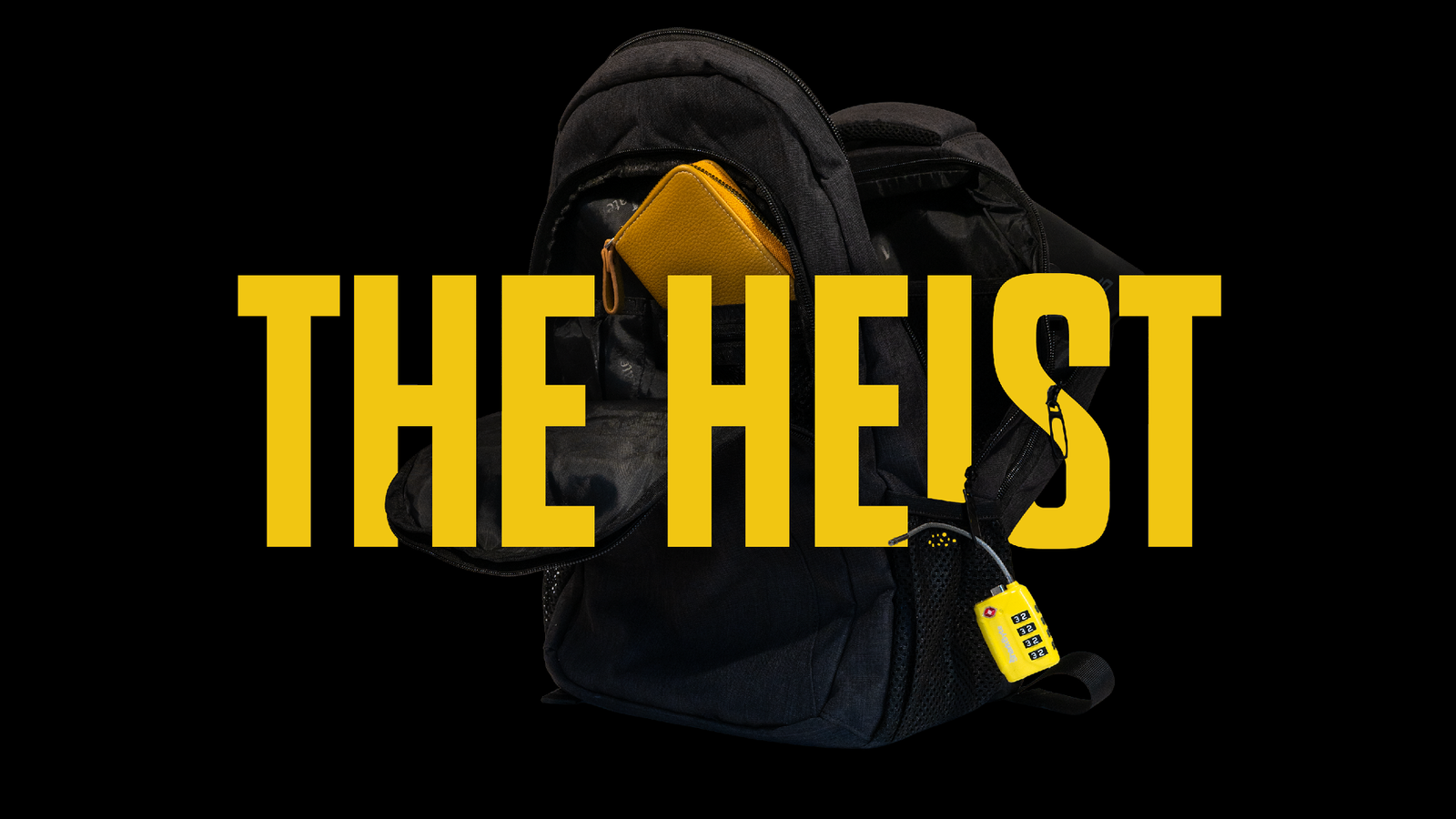
The Heist
Flip the script and play the attackers. A rucksack left on a train, a digital footprint wide open: exploit everything you find and pull off the heist.
Explore The Heist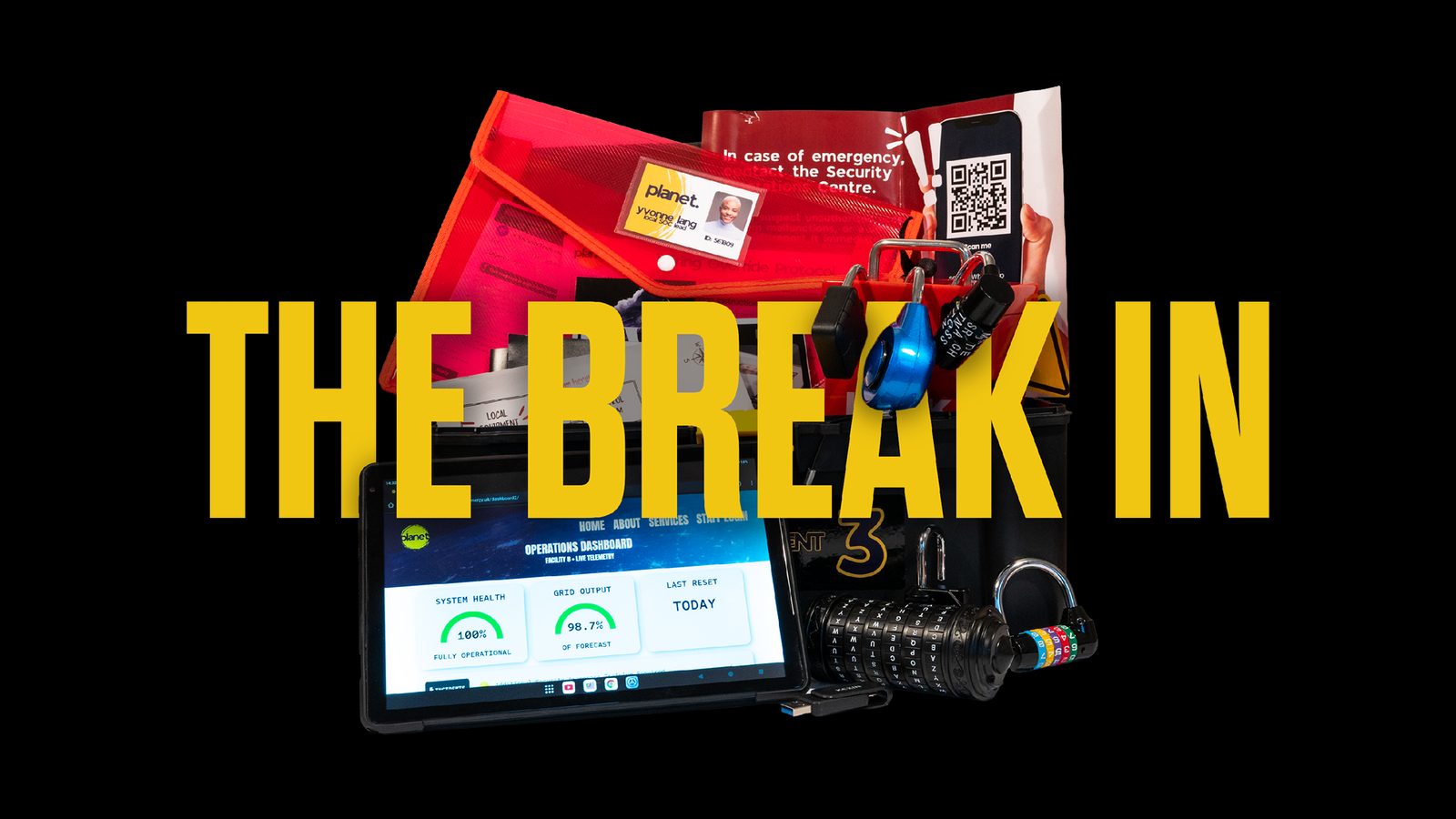
The Break In
An OT incident shuts down CCTV, locks the equipment room and knocks a PLC offline. Your team becomes the on-site response, with a live SOC on the other end.
Explore The Break In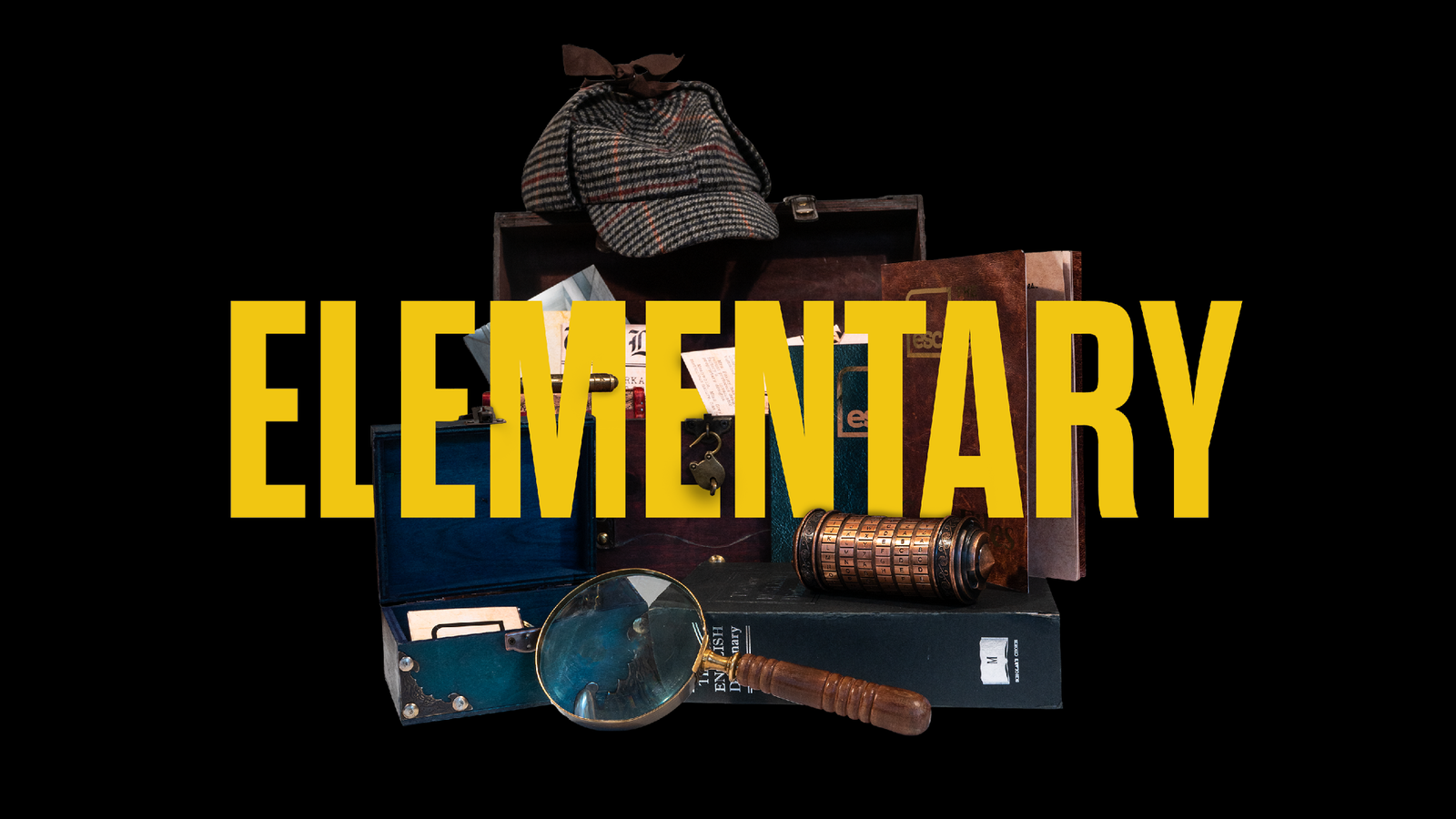
Elementary
Victorian espionage, modern lessons. Step into Sherlock's office to find who stole the factory blueprints, with ciphers, contraptions and an origami puzzle that brings encryption to life.
Explore ElementaryLet's book The Breach.
Tell us your team size, your location and your rough timeline. We'll come back with everything you need to make it happen.