

Build a cyber security champions programme that actually works.
You’ve found the people. Given them the title. Asked them to help shift security culture across the organisation. Now give them something useful to do.
We give cyber security champions repeatable experiences, practical activities and stories they can take back to their teams. Whether you’re building a security champions programme from scratch or reviving one that has quietly turned into another Teams channel nobody checks, we can help you put some substance behind it. Physical cyber escape rooms. Digital missions. Vishing simulations. Bigger immersive cyber events when you want the whole organisation paying attention.
Your champions bring the peer influence. We give them something worth championing.
Why security champions programmes lose momentum.
Security champions programmes are a genuinely good idea. Take people who already give a shit about security, put them closer to the teams you’re trying to reach and let peer influence do what another corporate email never will.
The problem usually comes next. People get the title. Maybe a badge for their email signature. Then a vague instruction to “raise awareness”. Raise it how?
Champions need a role they understand, support from the central security team and useful things to take back to colleagues. Something that gets people talking about suspicious requests, reporting concerns or questioning the thing that doesn’t quite add up. Without that, even your most motivated champions eventually run out of road.
A champions network without something to champion is a distribution list with better branding. What changes it is a programme with actual substance.
How to build a security champions programme.
Recruiting the network is only the beginning. A useful cyber security champions programme connects the people you choose with clear responsibilities and an ongoing calendar of things they can actually run, share or talk about. Because “be our security person for this department” is not much of a job description.
Choose champions and give them a clear role
Start with people who want to be involved. You don’t need “cyber” in anyone’s job title. A good champion might sit in Finance, HR, Sales, Operations or somewhere the security team rarely gets to spend time. They do need their manager’s support and enough space in their actual job to take part.
Then make the role concrete. A champion might share upcoming activities with their team, host a local session where the format allows, start conversations after a mission or simulation, feed recurring questions back to the security team and point colleagues to the right reporting route. Call them security champions, security ambassadors or cyber security liaisons. The label changes. What matters is that they know what they’re supposed to be doing.
Give champions activities worth delivering
A champion can only do so much with another PDF about phishing. Give them an experience and they’ve got something to work with.
Launch the network with a physical escape room, follow it with a team conversation about what people noticed, then use digital missions or vishing practice to revisit different behaviours later. Your champion doesn’t need to lecture anyone on social engineering. They can point the team at a simulation where they actually have to question the caller, deal with the awkwardness and practice saying no. That’s a much easier conversation to continue afterwards.
Keep the network connected and supported
Champions shouldn’t be left to invent a security programme on their own in twenty different departments. Give them somewhere to compare notes. What landed with their team? What confused people? Which questions keep coming up? What do they need from the central security function?
Recognition matters too. So does giving them something new before the novelty wears off. A champions network needs maintenance. Not motivational posters.
How cyber security champions build everyday security culture.
Engagement and awareness build what people know and notice. Culture multiplies it, or cancels it out. Champions drive that culture.
An immersive experience might get somebody talking about security today. Your champions are the people who bring that conversation back up next week, when a suspicious request lands in Teams. That’s where one memorable activity starts becoming normal behaviour. See how the Behaviour Formula works.
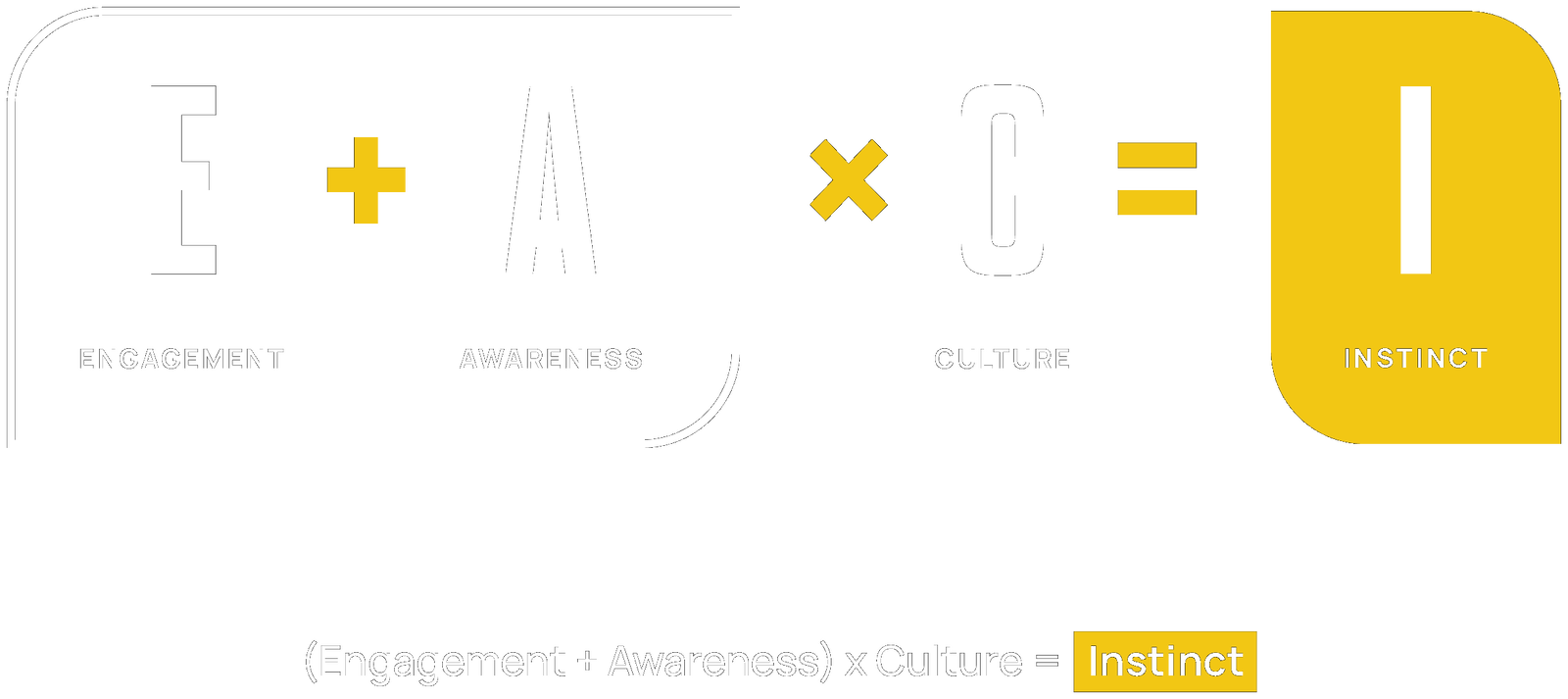
Engagement
Earn attention first. Champions get people through the door, share the activity and make taking part feel worth doing, not another compulsory security task.
Awareness
Give people something real to notice. A phish. A suspicious caller. An unusual request. Champions keep those warning signs visible after the activity ends.
Culture · where champions live
This is their bit. Champions make it normal to ask questions, check something that feels odd and talk about security without waiting for the security team to start it. Culture happens between the formal sessions.
Instinct
The right behaviour happens without anyone stopping to remember slide 17. Rehearse the decision, reinforce it in the team and revisit it until it feels normal.
Cyber security activities your champions can run.
Your champions don’t need every experience we make. Please don’t buy the entire catalogue because a webpage told you to. Start with the people, locations and behaviours you’re working on, then choose the formats that give your champions something useful to run or reinforce.
What it gives your champions
A physical group experience with an actual problem to solve. Small teams gather around a kit with props, evidence, locks and a cyber scenario unfolding against the clock. Then comes the bit your champions keep talking about: what people noticed, what they missed and why they made the decisions they did.
How champions use it
Through train-the-trainer, champions learn to set up and reset the kit, host a session and run the debrief. They don’t need to become cyber trainers. They need to know how the experience works, keep the room moving and help colleagues unpack what happened.
Explore ESCWhat it gives your champions
Not everybody can get around the physical kit. SHIFT gives home workers, shift teams and regional offices browser-based cyber missions they complete on their own. No room booking. No facilitator. No asking eight diaries whether Thursday at 2pm works. (More on cyber training for remote workers.)
How champions use it
Champions share the mission and use what happened inside it to start the conversation afterwards. What caught people out? Which decision would they make differently? What felt obvious once the answer was revealed but much less obvious with the clock running? SHIFT runs the mission. Your champions keep the conversation alive.
Explore SHIFTWhat it gives your champions
A suspicious caller is a different beast when there’s an actual voice on the other end of the phone. CTRL+Vish lets people practice dealing with voice-based social engineering somewhere safe before they get a real call. They hear the pressure, the authority and the urgency. Then they have to decide what to do with it.
How champions use it
Champions encourage people to take part, make it clear the exercise is rehearsal rather than catching people out, and normalise the conversation afterwards. The point isn’t to embarrass the person who overshared. It’s to make verifying, challenging and reporting feel normal before the next call comes in.
Explore CTRL+VishWhat it gives your champions
Sometimes you need the moment everybody notices. SPACE_ turns cyber security into a large-scale immersive experience, from high-footfall activations to fully built environments. That gives your champions one big shared story to carry back into the organisation.
How champions use it
Use the network before the event, not just afterwards. Champions build curiosity in their teams, get people involved in the run-up and keep the story moving once the main experience is over. You get the big moment. They stop it becoming a one-day wonder.
Explore SPACE_Interactive cyber training for local team events
Want another format champions can share without a room full of kit? ALT puts people inside a 360-degree cyber incident on their phone or tablet. They open the link, explore the environment and make decisions as the incident develops. It runs individually or in teams, which suits local activities, distributed groups and champions who want something people can access without a facilitator at the front.
Explore ALTEveryone enjoyed the escape rooms and we had so much positive feedback. It brought to life how good security hygiene is so important and made everyone think about good security practices and how they can put this into action daily.
Rebekah Hobday · Infosec Assurance Manager, LV=

Train your security champions to run the programme.
The goal isn’t a programme that falls apart whenever we leave the building. Your champions should own the parts that make sense to run internally. With ESC train-the-trainer, we work directly with them on three things.
Set up the experience
How the kit works, what needs preparing before people arrive and how to reset it between sessions. Nobody needs to reverse-engineer a padlock five minutes before the next team turns up.
Facilitate the room
How to introduce the scenario, keep it moving and support the group without simply handing over the answers. No technical cyber security background needed.
Run the debrief
This is where the activity turns into a conversation: what the team noticed, where assumptions crept in and how the decisions in the room connect to everyday security behaviour.
Then we hand it over.
Keep champions engaged with fresh cyber security activities.
The quickest way to kill enthusiasm is to give people the exact same thing again. A fresh scenario gives champions another reason to bring colleagues back, rehearse a different behaviour and keep security from becoming something everyone hears about once a year. Not novelty for novelty’s sake.
What a successful security champions programme looks like.
It isn’t the one with the most names on the champions spreadsheet. It’s the one that actually runs.
Champions deliver without waiting for head office
Local champions have activities they understand and, where the format allows, can run themselves. The central security team still sets direction. It just doesn’t have to facilitate every conversation.
Colleagues have something worth joining in with
Security is easier to talk about when people have actually experienced something together, so taking part doesn’t rely on another chase email from the awareness team.
Feedback comes back to the security team
Champions are closer to the day-to-day questions, habits and frustrations in their teams. Give them a route back and you get a better view of what people struggle with and where another intervention would help. Where Instinct Lab is part of the programme, behavioural evidence from rehearsals sits alongside those conversations and the participation data.
What your first security champions programme could look like.
There’s no fixed twelve-week masterplan hiding behind this heading. The right rollout depends on your workforce, your existing network and what you want people to practice. But it could look something like this.
Start with a shared experience
Give the network something concrete to launch around: an ESC session champions can later take into their own teams, or a SHIFT mission that reaches people across several locations. One shared story, one security behaviour people can start talking about.
Run regular challenges and follow-up conversations
Keep giving champions reasons to come back. Run a different digital mission. Rotate an ESC scenario. Bring in vishing practice for teams who deal with suspicious callers. Use the experience as the conversation starter instead of asking champions to invent another awareness message from scratch.
Review participation and decide what comes next
Look at who took part. Ask champions what they heard afterwards. Which conversations kept coming up? Where did people struggle? What behaviour deserves another rehearsal? Choose the next activity from what you find, not just what the calendar says.
Security champions programme FAQs.
What is a cyber security champion?
Somebody in the wider organisation who helps keep good security behaviour visible in their own team. They don’t replace the security function and they don’t need to be technical experts. They share activities, start conversations, reinforce useful behaviours and feed questions or concerns back to the central security team.
How do you start a security champions programme?
Decide what you actually want champions to do. Then recruit willing people across the relevant teams, get them manager support and time to take part, make their responsibilities clear and build a calendar of useful activities around them. The programme needs something to run on. A list of names isn’t enough.
Do security champions need technical cyber security knowledge?
No. A useful champion needs enough context to understand their role and know where to escalate questions, but technical expertise isn’t part of the job. For experiences such as ESC, train-the-trainer gives internal hosts what they need to run the activity without a technical background.
What activities can security champions run?
That depends on the programme. Champions can host ESC sessions after train-the-trainer, share SHIFT missions, encourage people to take part in vishing simulations, support larger awareness events and use follow-up conversations to reinforce what people experienced. The right mix depends on your workforce and the behaviours you want people to practice.
How can you keep security champions engaged?
Give them a clear role, keep them connected to the security team and make sure they have something new to work with. Fresh scenarios, useful feedback from colleagues and a reason for each activity give the network somewhere to go next. If every quarterly meeting is just another reminder that security is important, people will eventually stop turning up.
Give your security champions programme some teeth.
Already have a network that’s losing momentum? Starting one and determined not to let that happen? Tell us about the people involved, what they’re working with now and where engagement is getting stuck. We’ll work out a sensible place to start. No pitch deck. No pressure.